
Free to read
FAQ Answers
Short, plain-English answers to the safety questions seniors and families ask most. Each one is written by Ed Chivers, checked against official U.S. sources listed on the page, and dated so you know it's current.


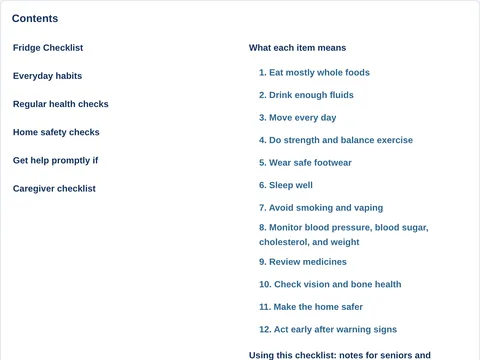
FAQs about our books, tools and website
- Website questions
Which book to start with, the formats, paying securely, getting your eBook or audiobook, paperback delivery, refunds, and how the facts are checked. - The Stay Safe books
Who the books are for, whether you need to be good with technology, making the text bigger, and whether you have to read the whole series. Each book page has its own questions too, for example Book 1 and Book 2. - The Health Record
Which edition to choose, whether a carer can set it up, where your information is kept, using it on a phone or tablet, and what happens when a license ends. Also: why you need backups, using it on more than one device and how backups work, and which to keep. - The Carer Workbench
What the person you look after needs, the carer version of the Health Record, and what the Workbench tells you. - The free Toolkit
What it costs (nothing), whether you need an account or the internet, backups, and changing phones or computers.
 Site FAQs
Scams and fraud
- Is this a scam? A 60-second check
Four quick questions to tell if a call, text, email, letter or knock at the door is a scam, plus exactly what to do if you've already paid. Written for seniors and families. - Scammed? What to do in the first hour
What to do right away if you paid a scammer or shared your details: who to call for each way you paid, how to protect your accounts, where to report it and where to get free help. - Medicare scams: how to spot them and what to do
Medicare won't call you to sell you anything. Learn the most common Medicare scams, how to protect your Medicare number during Open Enrollment, and exactly who to call.
Keep these private
Only share these when you're sure who you're dealing with. The safest way is when you contacted them, using a phone number or website you found yourself, not one from the call, text or email (FTC (opens in a new tab)). Honest organizations won't call, email or text to ask for your personal information (FTC (opens in a new tab)).
- Your Social Security number, bank account numbers and credit card numbers (FTC (opens in a new tab)).
- Your Medicare number. Real government agencies won't contact you to ask for it (FTC (opens in a new tab)).
- Usernames and passwords for your email, bank or any other account (FTC (opens in a new tab)).
- Verification codes, the one-time codes sent to your phone or email. Never give one to someone else: anyone who asks for it is a scammer (FTC (opens in a new tab)).
- Gift card numbers and PINs. No real business or government agency will tell you to pay with a gift card (FTC (opens in a new tab)).
- Access to your computer or phone. Don't let someone who contacted you take control of it. Real tech companies won't call, email or text you about a problem with your computer (FTC (opens in a new tab)).
Already shared one? See what to do in the first hour.
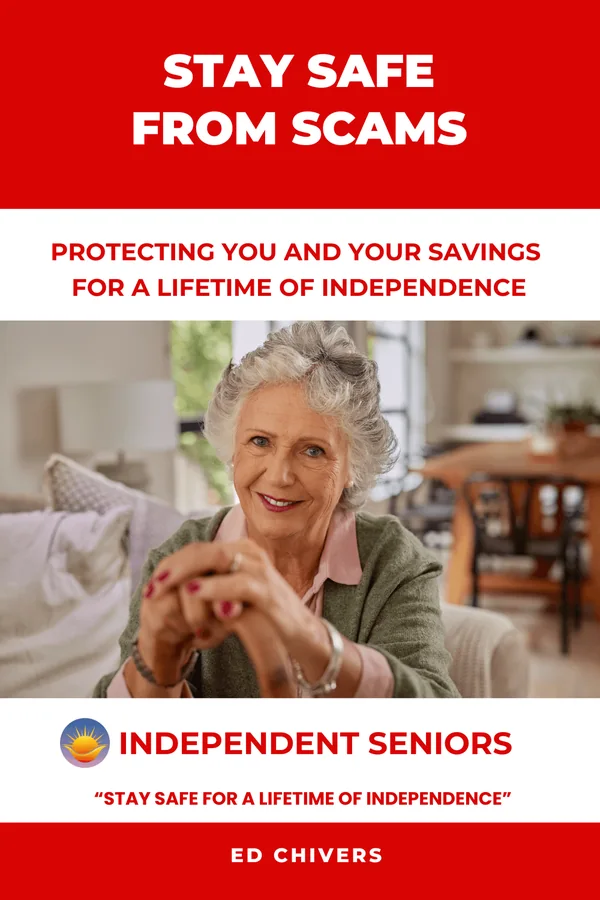 Book 3: Stay Safe From Scams
Falls and home safety
- Senior safety by the numbers
Key US facts on falls, home injuries, fires, scalds, medicines and scams for adults 65 and older, each with its official source. - How to prevent falls at home
More than 1 in 4 adults 65 and older fall each year. Here are the CDC's proven fall-prevention steps, simple home fixes, exercises, and what to do if you fall. - How to fall-proof a bathroom
The changes that make a bathroom safer for an older adult: grab bars, non-slip mats, safe hot water, a shower chair, a raised toilet seat and a way to call for help. - Where should grab bars go?
The three places a bathroom needs grab bars, the heights used in public restrooms as a guide, and how to fix them so they hold your weight. - Fall risk self-check: 14 questions
A free self-check of your home, your health, and your footwear and mobility, to see where your fall risk is and what to do next. Read it here, or fill it in on screen, save and print it.
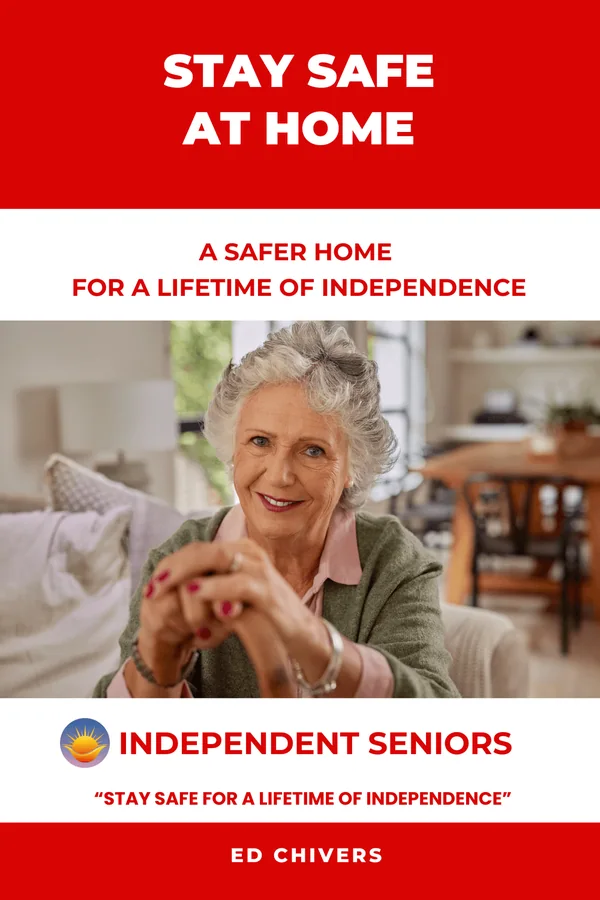 Book 2: Stay Safe at Home
Emergencies and medical alerts
- Do I need a medical alert system?
What medical alert systems do, how smartwatch fall detection compares, whether Medicare pays, the 'free device' scam to avoid, and 10 questions to ask before you buy. - What to put on an emergency information sheet
The details to put on one page for paramedics and family in an emergency: conditions, allergies, medicines, doctors, contacts and insurance, and where to keep copies.
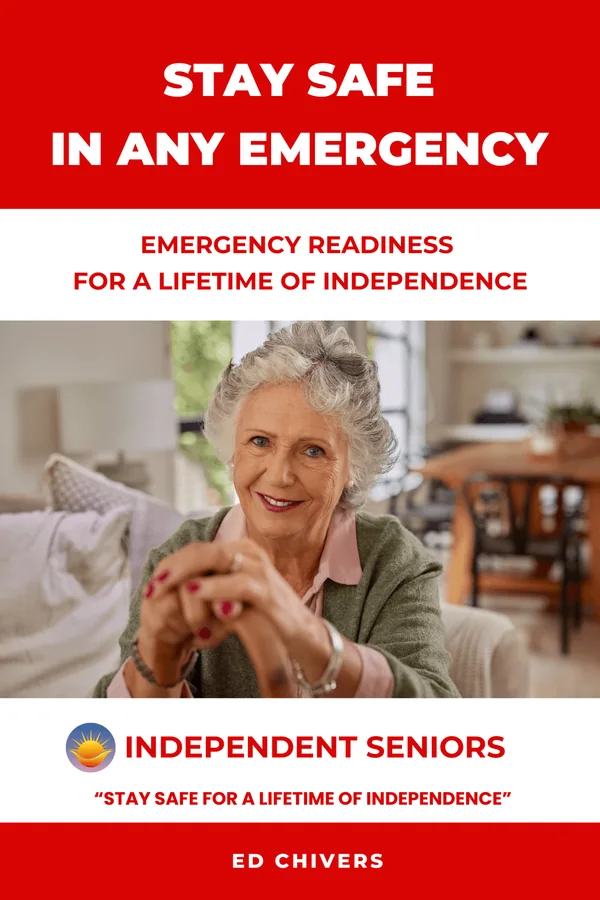 Book 1: Stay Safe in Any Emergency
Medicines and health records
- How to keep a medication list
What to write on your medication list, how often to update it, who to share it with and where to keep copies, with a free printable form and options for your phone or computer.
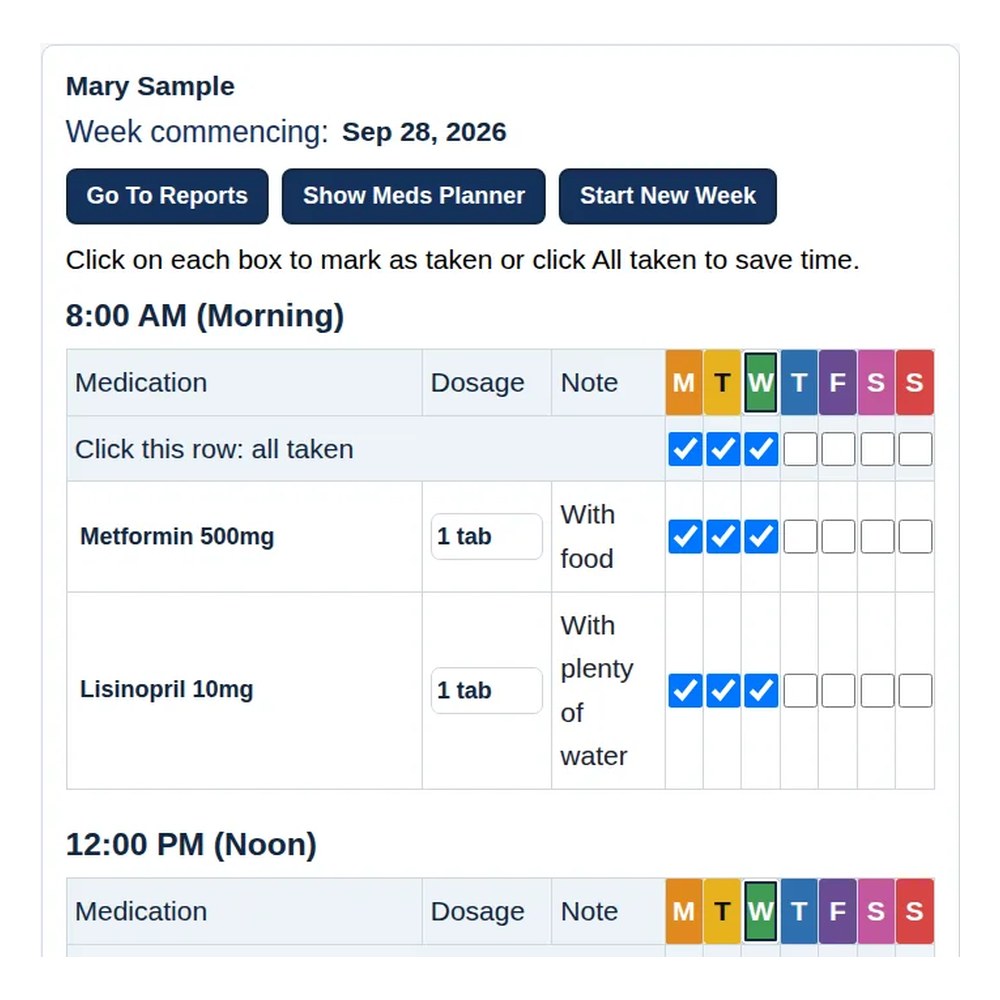 Health Record: medicines
Caring for a parent
- How to help a parent from a distance
What you can do for an aging parent when you live far away: the tasks that work from afar, talking with their doctors, staying in touch, making visits count and finding local help.
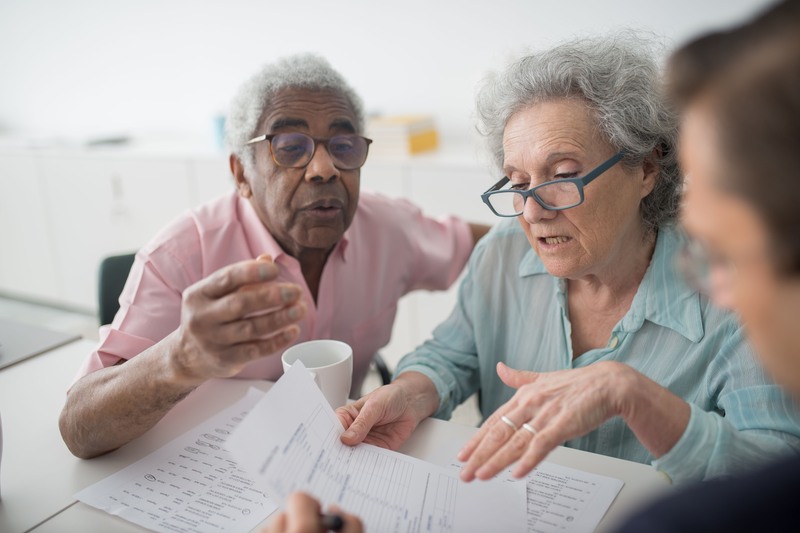 Carer Workbench
Popular questions
- Is there a senior discount?
Often, yes, but many aren’t advertised, so ask before you pay. Read more, and try the free Senior Discount Finder - What is the senior discount age?
There is no single senior discount age. Each business or program sets its own, most often between 50 and 65, and 55 is the most common start. Read more, and try the free Senior Discount Finder - What is a senior discount day?
A senior discount day is a set day, usually once a week or once a month, when a store gives older shoppers a discount. Read more, and try the free Senior Discount Finder - What Age Is Considered a Senior Citizen?
In the US, 65 is the usual senior age (Medicare); the UN uses 60. Plus Social Security at 62 and 67, discounts from 55, and state pension ages abroad. - What Is Normal Blood Pressure for Seniors?
Normal blood pressure is below 120/80 at any adult age. See the 2025 categories, why your own target comes from your doctor, and how to measure at home. - What Is the Best Exercise for Seniors?
There's no single best exercise for seniors. The best plan mixes walking, strength and balance work you'll keep doing. Here's what CDC and NIA recommend. - Can Family Members Get Paid for Caregiving?
Yes, often. Medicaid programs in many states, VA caregiver programs and some long-term care policies pay family caregivers. Here's how to check and apply. - What Is Phishing, and How Can You Tell If It's a Scam?
Phishing is a fake email, text or call that tries to steal your passwords or account numbers. How to spot it, check a website or number safely, and report it. - What to Do If Your Identity Is Stolen
Identity stolen? Call the companies involved, place a free fraud alert or credit freeze, and report it at IdentityTheft.gov for a free recovery plan. - What Is the Best Cell Phone for Seniors?
There's no single best phone for seniors. Look for emergency SOS, Medical ID, large text, hearing aid compatibility and a simple mode, then compare plans. - What Causes Short-Term Memory Loss?
Short-term memory loss has many causes: medicine side effects, low vitamin B12, thyroid problems, poor sleep, stress, depression or alcohol. Many are treatable. - How Much Does a Medical Alert System Cost?
Most medical alerts charge a monthly fee of about $20 to $60 or more, plus possible equipment and activation costs. What Medicare covers and how to compare.
From the blog
- Visiting an Aging Parent for the Holidays: What to Look For
On a holiday visit, look gently at falls hazards, smoke alarms, food, medicines, mood and memory. What to notice, and how to raise it kindly. - How Can I Help My Parent Remember to Take Their Medications?
Tie each dose to a daily habit, set an alarm, use a weekly pill organizer and a check-off chart, and call at dose times. If it's still hard, ask the doctor. - How Can I Prevent Medication Mistakes at Home?
Prevent medication mistakes at home with a few steady habits: one list, one pharmacy, good light, original bottles, and a pharmacist check on anything new. - What Should I Do If I Take the Wrong Medication?
Took the wrong pill or a double dose? Call 911 for collapse, seizure or trouble breathing. Otherwise call Poison Help, 1-800-222-1222: free, 24/7, confidential. - How to Organize Pills So You Don't Mix Them Up
Use a weekly AM/PM pill organizer filled at one set time, ask about pharmacy blister packs, and keep a written list, the original bottles and good light. - Why Do Seniors Make More Medication Errors?
More medicines, more doctors, body changes, small print and busy schedules raise the risk of mix-ups after 60. Here is each reason, paired with a practical fix. - What Medications Should People Over 65 Avoid?
The Beers Criteria lists medicines whose risks may outweigh benefits after 65. It guides doctors; it isn't a ban. Never stop a medicine without asking first. - How to Talk to Your Doctor About Medication Concerns
Bring your medicines or a full list, write your questions down, be honest about side effects and cost, and check you've understood before you leave the office. - Can I Stop Taking My Medications Without Telling My Doctor?
It's safest not to. Some medicines must be stepped down slowly, and conditions can return. Here's what to do about side effects, cost or too many pills instead. - How Often Should Seniors Review Their Medications?
At least once a year, and whenever something changes, such as a new prescription, hospital stay or fall. Here's how a brown bag review works and how to ask. - What's the Number One Way to Prevent Medical Errors in the Hospital?
The best way to help prevent medical errors in the hospital is to be an active member of your care team. Here are the simple, practical steps that make it work. - How Should a 70-Year-Old Manage Daily Health Tasks?
Build a simple daily routine at 70: medicines at set times, some movement, good food and water, regular sleep, staying in touch, and a phone within reach.
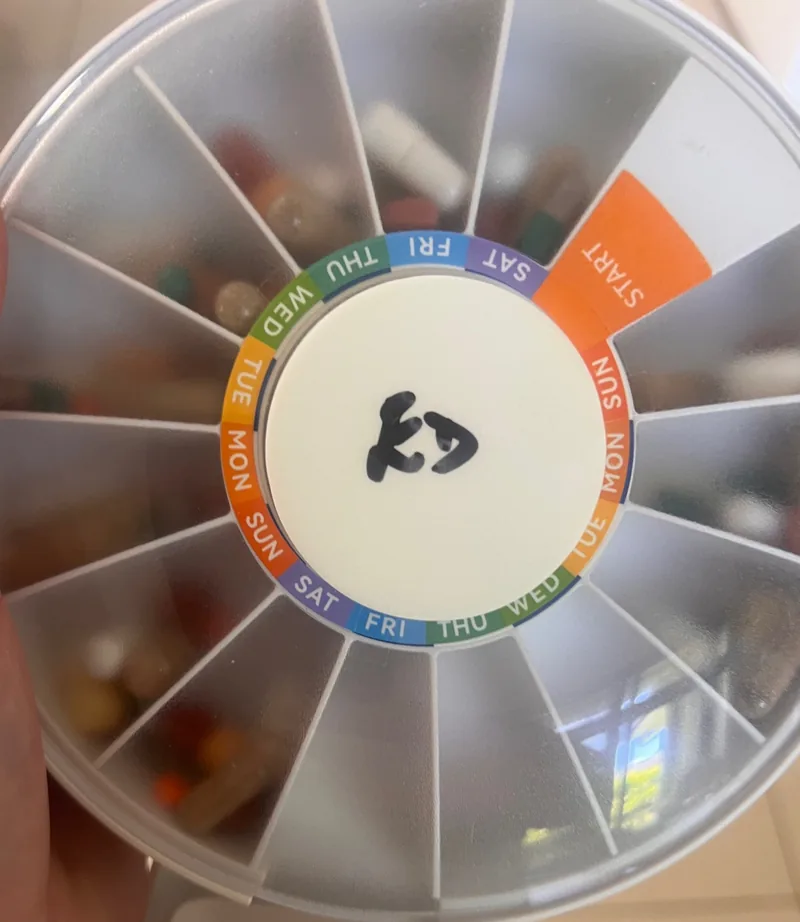
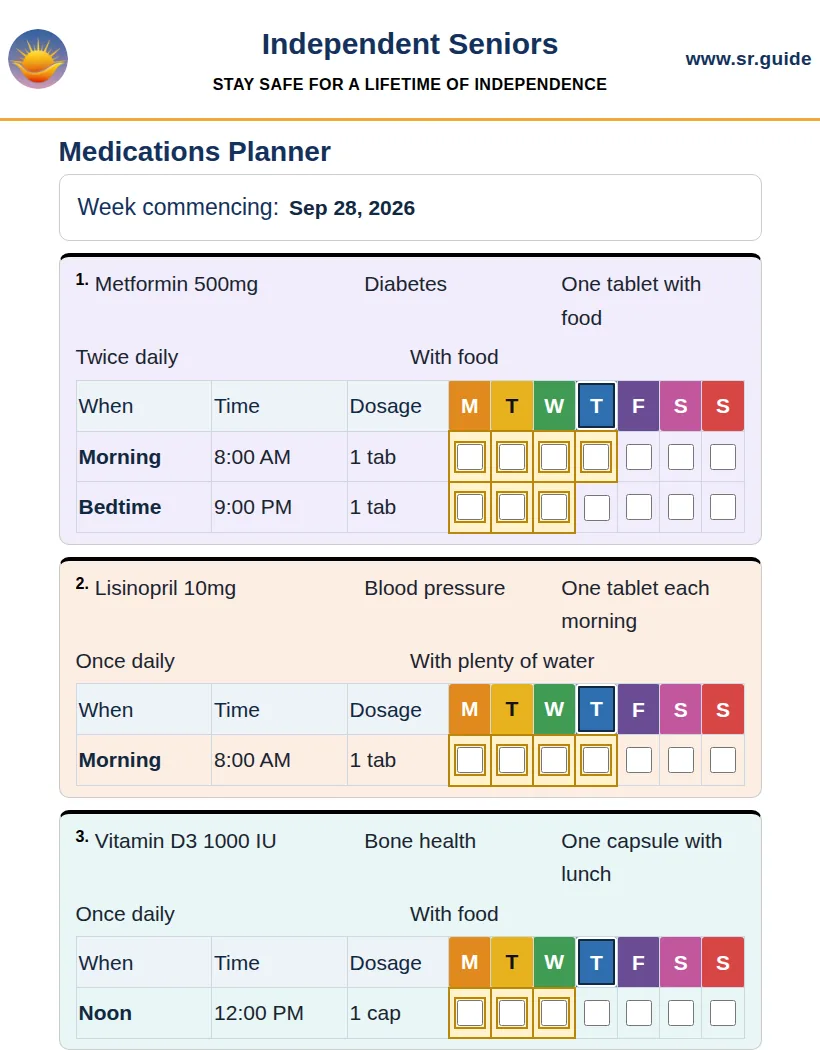
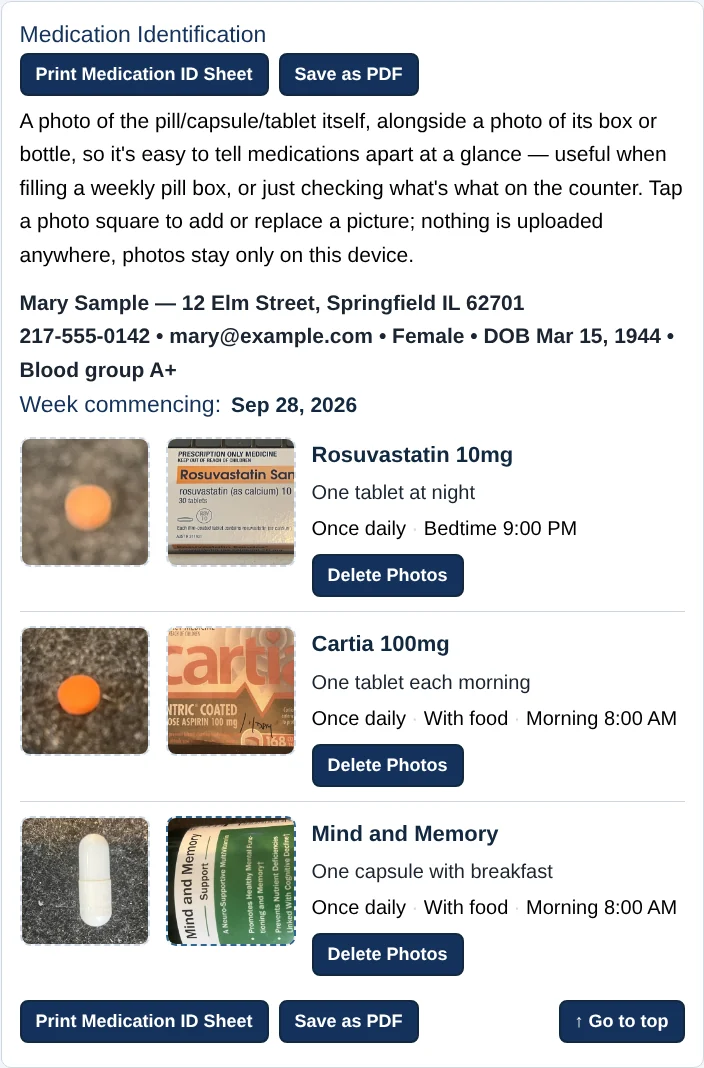
Free checklists and guides, to read here

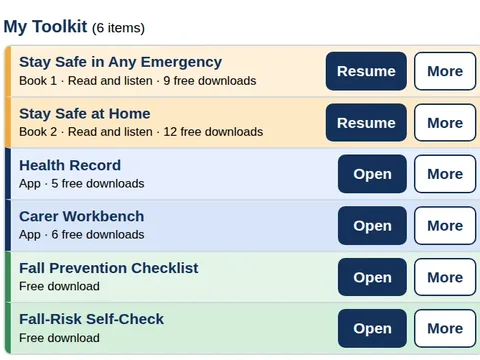
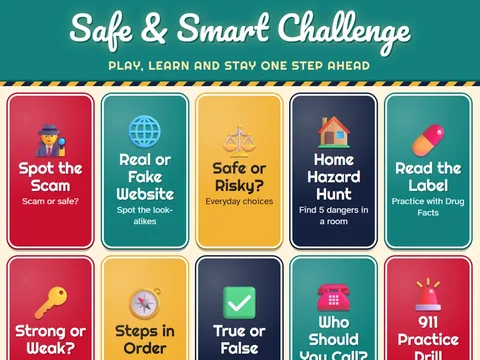
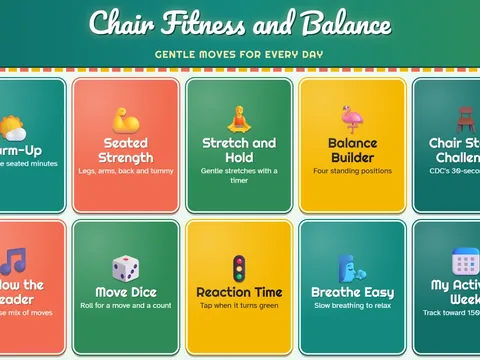
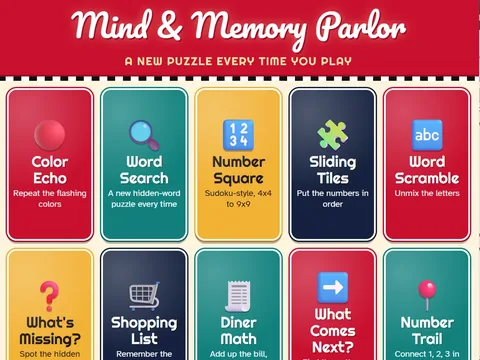
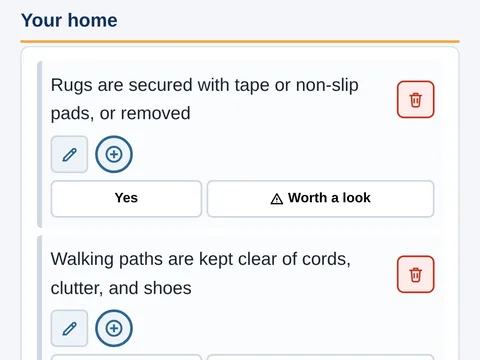
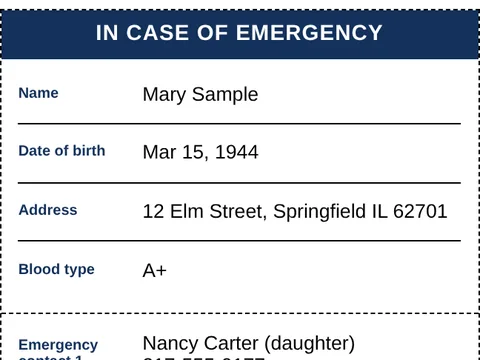
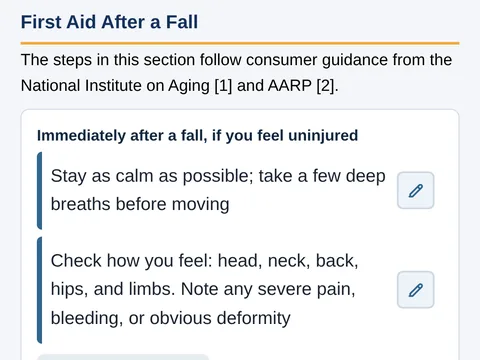
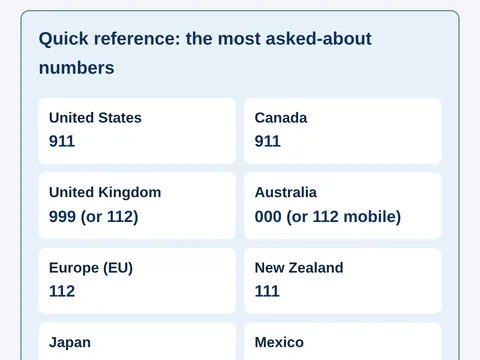
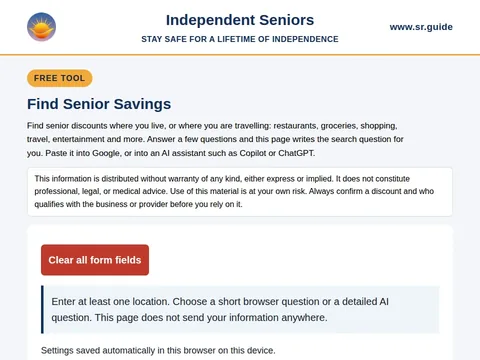
Real screens from our free resources, shown with a fictional person. Photographs are illustrative. Choose a picture to open it.
- Fall Prevention Checklist
A free fall prevention checklist for seniors and caregivers: everyday habits, health checks, home safety checks, when to get help, and what each item means, with sources. - Fall Risk Self-Check
A free fall risk self-check for seniors and families: fourteen plain questions about your home, your body and health, and your footwear and mobility, with what to do next. - First Aid Guide
Free, plain-English first aid steps for older adults and carers: after a fall, burns, scalds, and a missed or doubled medication dose, with every step sourced. - In Case of Emergency wallet card
A free In Case of Emergency wallet card for seniors: what to write on it, from emergency contacts and doctor to conditions, allergies and medicines, and how to keep it current. - Emergency numbers by country
The emergency phone numbers for police, ambulance and fire in more than 60 countries, by region, plus how to set up emergency calling on your phone before you travel. - Is there a senior discount? Age, days and a free finder
Is there a senior discount? What age does it start, and how much is it? Plain answers with sources, and the free Senior Discount Finder, which writes the search for senior discounts near you. - Safe and Smart Challenge: 10 safety games
Ten short, free games to practice spotting scams and fake websites, finding hazards at home, reading a medicine label and knowing what to say when you call 911. Every answer shows its source. - Daily Chair Fitness and Balance Exercises: 10 gentle activities
Ten free, gentle activities for strength, flexibility, balance and calm, most done sitting in a sturdy chair, with steps from the National Institute on Aging, the CDC, Harvard Health and Cleveland Clinic. - Daily Mind and Memory Exercises: 10 brain games
Ten free puzzles and games for memory, attention and problem-solving, from word search and sudoku-style number squares to diner math. A new puzzle every time you play.
How we write and check these pages: Editorial Standards. Found a mistake? See our Corrections Policy.